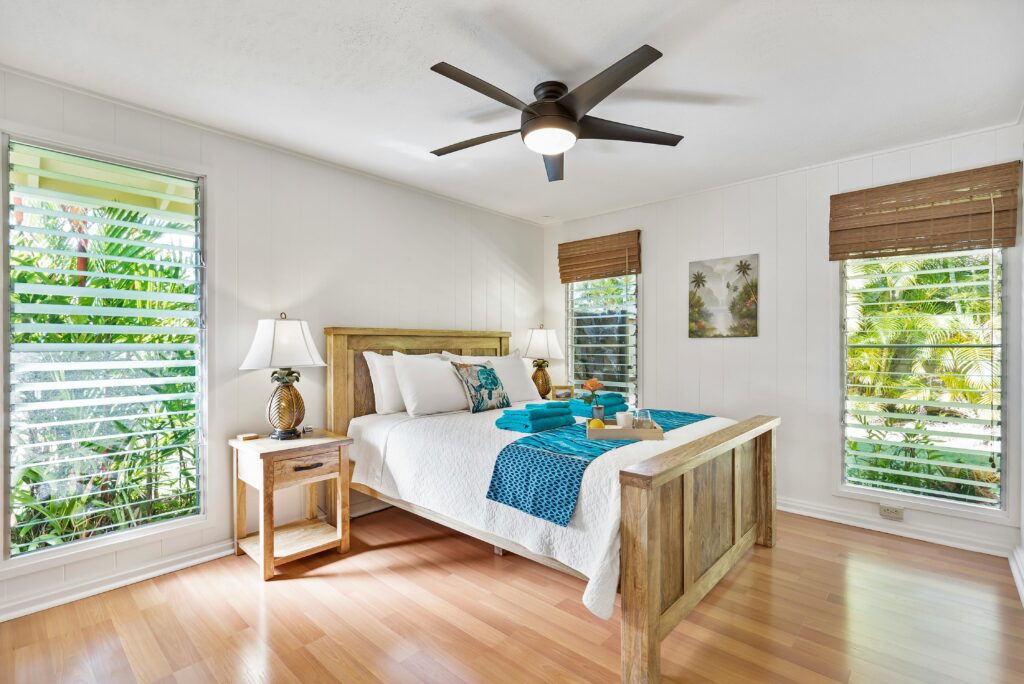
Creating a safe bedroom has been one of the highest-impact changes I’ve made while living with MCS, MCAS, and fibromyalgia. For me, sleep isn’t just “rest” — it’s nervous system recovery. And the bedroom is where I spend the most uninterrupted hours breathing whatever is in that space.
Even small choices — mattress materials, wood finishes, bedding fibers, adhesives, and odors — can make a difference in comfort, sleep quality, flares, and how calm my body feels at night.
A big reason this matters is indoor air: volatile organic compounds (VOCs) and other emissions from common household products can affect indoor air quality.
Source (EPA): https://www.epa.gov/indoor-air-quality-iaq/volatile-organic-compounds-impact-indoor-air-quality
If fragrance and “normal smells” make you sick, I wrote more about that here:
👉 When Scents Make You Sick: Living With MCS
https://healnomeds.com/when-scents-make-you-sick-living-with-mcs/
And if you want the broader “what’s going on + what to do” version:
👉 It’s Not Just Fragrance: The Hidden Chemicals That Make Us Sicker (and What to Do About It)
https://healnomeds.com/your-low-toxin-bedroom-setup-for-mcs-mcas-chronic-illness/
Disclosure: This post is not sponsored. I’m sharing what I’ve found so far while I continue researching and testing low-odor, low-toxin options. If you’ve found something that truly worked for you, I’d love to hear it in the comments.
Last updated: January 2026
Quick note (not medical advice): This is lived experience + research links for education. Everyone’s triggers are different. If you have severe reactions, breathing issues, or known allergies, please work with a qualified clinician for safety.
1) Start With Your Sensitivities (Your “Trigger Profile”)
One of the most important things I’ve learned is: there is no universal “safe” product for MCS/MCAS. Two people can buy the same “clean” item and have totally different reactions.
Multiple Chemical Sensitivity is discussed in peer-reviewed literature (often under terms like environmental intolerance), and people report symptoms from exposures that don’t bother others.
Source (PubMed): https://pubmed.ncbi.nlm.nih.gov/10981727/
So before buying anything, I mentally sort my needs like this:
✔ If you have MCS/MCAS
Many people (including me) try to be cautious with:
- polyurethane foams and mystery “comfort layers”
- strong finishes/varnishes/stains
- adhesives and manufactured wood (MDF/particleboard)
- strong natural odors (latex and wool can be an issue for some)
Often better tolerated (depending on the person):
- simple, breathable fibers like organic cotton
- solid wood with minimal finish (or unfinished)
- mattresses built with fewer chemical components (but still not a guarantee)
✔ If asthma is part of your picture
I focus on:
- breathability (less heat + less “stale” feeling)
- reducing dust reservoirs
- avoiding strong odors and irritants
WHO indoor air quality guidelines are a helpful reference for common indoor pollutants.
Source (WHO): https://www.who.int/publications/i/item/9789289002134
✔ If fibromyalgia drives your sleep issues
For me, the “wrong” bed equals more pain and worse sleep — and that becomes a cycle. Fibromyalgia is strongly linked with non-restorative sleep and symptom severity.
Source (JAMA review via PubMed): https://pubmed.ncbi.nlm.nih.gov/24737367/
So I prioritize:
- stable support (spine alignment)
- pressure relief (hips/shoulders)
- temperature control (overheating wrecks my sleep)
✔ If allergies are a factor
This is where it’s important to separate sensitivity from true allergy.
Safety note: If you have a confirmed latex allergy, don’t “test” latex products — avoid them and follow your clinician’s guidance.
2) Mattress Options That People With Sensitivities Often Consider
I’m going to be direct: the mattress is usually the biggest decision because it’s large, close to your face, and hard to “undo” quickly if it triggers symptoms.
Below are examples of mattresses many sensitive households look into. This is not a guarantee they’ll work for everyone — it’s a starting point and a category guide.
🟦 Option 1: Severe sensitivity (lowest odor approach, latex-free direction)
Naturepedic EOS Classic — latex-free build option
Why many people consider it:
- offers a latex-free configuration
- modular design (you can adjust firmness later)
- tends to avoid the “boxed foam smell” category
Best for: severe sensitivity, people who react to latex/wool odors
Price: $$$$
🟩 Option 2: Fibromyalgia support + cooling (latex hybrid, if tolerated)
Avocado Green Mattress (organic latex hybrid)
Why this category can work for fibro pain:
- responsive support (less sink-in than many foams)
- strong coil system for alignment
- often sleeps cooler than many all-foam beds
Best for: fibro pain, back/hip support needs, hot sleepers, moderate sensitivity
Price: $$–$$$
🟧 Option 3: Mid-range “cleaner” value option
My Green Mattress — Natural Escape
Why many people like this category:
- often considered better materials/value than typical mainstream foam beds
- a middle ground for budgets
Best for: moderate sensitivities, families, mid-range budgets
Price: $$
🟫 Option 4: Latex-free + wool-free direction (allergy-cautious)
Naturepedic Chorus or Serenade (example options)
Best for: people avoiding latex and/or wool and wanting simpler material choices
Price: $$$
🟨 Option 5: Vegan direction (no wool, latex tolerated)
Avocado Vegan Mattress
Best for: vegans, wool-sensitive sleepers who tolerate latex
Price: $$–$$$
My real-life tip: Whatever you choose, I strongly recommend:
- a solid return policy
- the ability to ventilate/air out before sleeping on it
- a plan B if it triggers you (even if plan B is “sleep elsewhere for a couple nights”)
3) Bed Frames That Tend to Be More MCS-Friendly
A lot of people focus on the mattress and forget the frame — but frames can off-gas too, especially if they’re made with engineered wood, adhesives, or strong finishes.
🟦 Best for severe sensitivity: unfinished / minimal finish solid wood
Examples people often consider:
- Savvy Rest Natural Platform Bed
- KD Frames Nomad Plus
Why this category is popular:
- solid wood
- minimal finishes
- no MDF/veneers
- better airflow
🟩 Moderate sensitivity: solid wood + low-odor finish (after airing)
Examples:
- IKEA HEMNES (solid pine)
- IKEA TARVA (unfinished or lightly finished)
- Avocado Eco Wood Bed Frame
🟧 Budget: simpler unfinished frames
Examples:
- IKEA TARVA (unfinished pine)
- KD Frames Simple Bed
🟫 If you need storage
Storage frames can be tricky because drawers often mean more composite materials. If you’re sensitive, look for solid wood storage and low-odor finishes.
4) Sheets That Usually Feel Safer for Chemical Sensitivity + Sensitive Skin
🟦 Severe sensitivity: unbleached organic cotton
Examples:
- Coyuchi (unbleached options)
- Rawganique
Why: fewer dyes/finishes tends to mean fewer surprises.
🟩 Everyday: breathable cotton percale (organic options if preferred)
Examples:
- Pact (organic cotton options)
- California Design Den (percale options)
🟧 Hot sleepers / sensory comfort: linen
Examples:
- Parachute Linen
- Len Linum
5) Pillow Options (This Matters More Than People Think)
For fibro and neck pain, pillow height and support can be the difference between waking up wrecked or waking up okay.
🟦 Lower-odor direction: organic cotton fill (or wool if tolerated)
Examples:
- Naturepedic Organic Cotton
- Avocado Organic Wool (only if wool doesn’t trigger you)
🟩 Supportive option: latex pillow (if tolerated)
Latex can be great for shape and support, but it can also have a distinct odor. If latex has triggered you in the past, this may not be your best first experiment.
🟫 Budget-safer direction: simple cotton fill + washable cover
Look for fewer treatments and a good return policy.
6) Mattress Protectors & Toppers (Where People Accidentally Add Triggers)
Protectors
- organic cotton: often the safest feel + lowest odor
- wool: helpful for moisture/temperature (if tolerated)
- avoid waterproof membranes unless you truly need them (some can smell and trap heat)
Toppers
- latex topper: added support (if tolerated)
- wool topper: temperature regulation (if tolerated)
- cotton topper: often lowest odor
7) How I Air Out New Items Without Wrecking My System
This is what I do when I can:
Mattress
- ventilate 3–7 days if possible
- keep airflow moving (windows, fan, filtration)
- don’t immediately bury it under heavy bedding
Bedding
- wash before use (unscented detergent)
- avoid dryer sheets and “scent booster” residues
Wood frames
- wipe down with a damp cloth
- let the room ventilate before sleeping next to it
8) Quick Buyer’s Guide
- Severe sensitivity → latex-free build direction (ex: Naturepedic EOS latex-free option)
- Fibromyalgia pain + alignment → supportive latex hybrid category (ex: Avocado Green, if tolerated)
- Mid-range budget → mid-range “cleaner materials” category (ex: My Green Mattress Natural Escape)
- Avoid latex/wool → latex-free, wool-free direction (ex: Naturepedic Chorus/Serenade)
- Vegan (no wool) → vegan latex category (ex: Avocado Vegan)
- Hot sleeper → breathable mattress + percale or linen sheets
Final Thoughts
A low-toxin bedroom isn’t about perfection. For me, it’s about lowering daily exposures enough that my body can finally stop bracing and actually rest.
If you’ve found a truly low-odor mattress, frame, sheets, or pillow that worked for your MCS/MCAS — please share in the comments. The most helpful details are: odor level, how long it took to air out, and what your specific triggers are.