If you live with Multiple Chemical Sensitivity (MCS) or fragrance sensitivity, brushing your teeth can be far more complicated than it sounds. Products marketed as “clean,” “natural,” or “gentle” often still cause reactions — gum irritation, burning lips, cracked corners of the mouth, headaches, throat irritation, or a toxic overload feeling that lingers long after brushing.
For me, toothpaste turned out to be one of the most consistent daily triggers, even when the rest of my environment was relatively controlled. Over time, I realized the problem usually wasn’t the toothbrush. It was what was on it.
Living with MCS isn’t just about symptoms — it’s about being believed. I’ve written more about this in When Scents Make You Sick: Living With MCS.
This article shares what I’ve learned through lived experience — what matters, what doesn’t, and how to approach oral care when your body reacts to products most people tolerate without a second thought.
I’m not a doctor. This is my personal experience and what helped me. Sensitivities vary, so always listen to your body.
Why Toothpaste Is Such a Common Trigger With MCS
Beyond irritation, there’s growing awareness that oral care products can affect the oral microbiome — the community of bacteria involved in gum health, inflammation, and immune signaling. Harsh detergents, frequent antimicrobial exposure, and certain chemical additives may disrupt this balance over time. While people with MCS often feel these effects more quickly or intensely, microbiome disruption isn’t unique to chemical sensitivity. Research increasingly links chronic gum inflammation and oral bacterial imbalance with broader systemic inflammation, suggesting that what we use in our mouths daily may matter more than we’ve been led to believe.
Studies have shown that common toothpaste detergents like sodium lauryl sulfate (SLS) can increase oral irritation and contribute to recurrent mouth ulcers in some people: https://pubmed.ncbi.nlm.nih.gov/21434779/
Other research has linked oral bacteria and chronic gum inflammation to wider systemic health markers, including inflammatory and cardiovascular conditions: https://www.ncbi.nlm.nih.gov/pmc/articles/PMC5452220/
Because of this, toothpaste combines several things that are especially difficult for people with chemical sensitivity:
- Strong flavors and fragrances, even when labeled “natural”
- Essential oils such as peppermint, spearmint, cinnamon, or clove
- Foaming agents that aerosolize in the mouth and throat
- Prolonged contact with sensitive oral and throat tissues
- Daily, repeated exposure
Even products considered “low-toxicity” or “EWG Verified” can still overwhelm the nervous system. Toxicity thresholds and real-world tolerance are not the same thing.
For a deeper explanation of how fragrance ingredients are defined and disclosed, see the Environmental Working Group’s overview of fragrance chemicals.
What I Noticed Over Time
After a lot of trial and error, clear patterns emerged.
Mint and flavored toothpastes were a major problem for me, even when the flavor was described as mild. Tingling, cooling, or “fresh” sensations were reliable warning signs. Strong foam often made symptoms worse. Products labeled as natural or clean still caused reactions if they relied on essential oils or flavor blends.
This fits the same “daily chemical load” pattern I talk about in It’s Not Just Fragrance: The Hidden Chemicals That Make Us Sicker.
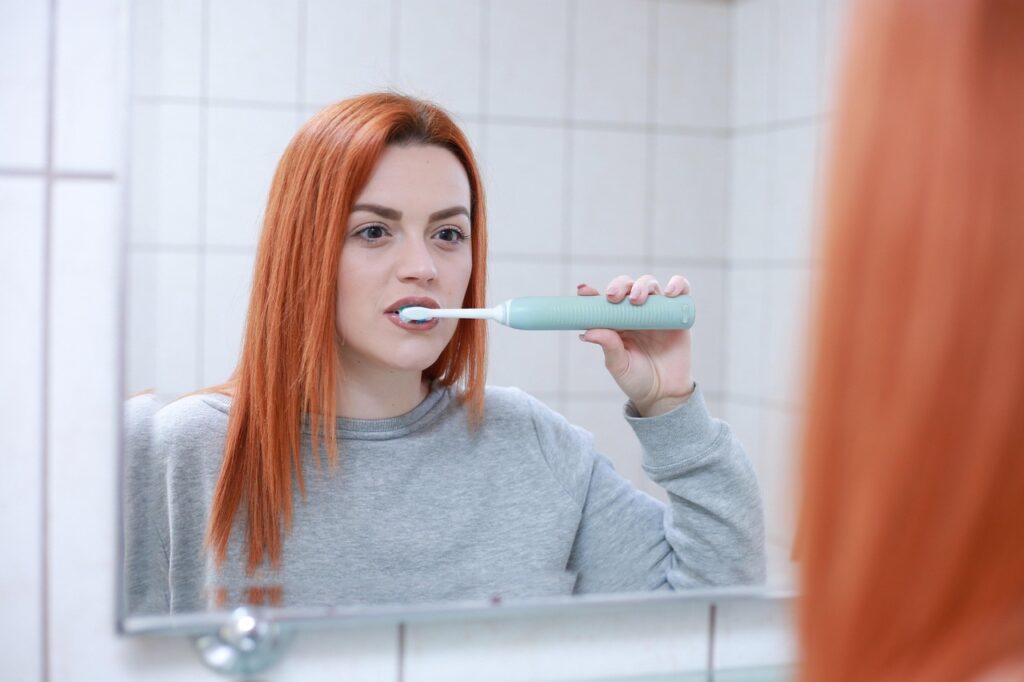
On the other hand, my toothbrush itself was rarely the issue. I consistently tolerated a soft, gentle electric toothbrush. Mechanical cleaning wasn’t the problem — chemical and sensory load was.
My Trial-and-Error Experience With Toothpaste
I’ve tried many toothpastes over the years. Some irritated my gums. Others made my teeth feel sore or overly sensitive. A few caused cracking, burning, or irritation at the corners of my mouth. Others triggered headaches or left my throat feeling raw or inflamed after brushing.
What made this especially difficult is that reactions weren’t always immediate. Sometimes symptoms showed up later in the day or built up gradually over time. Because of that, it took a while to recognize patterns instead of blaming stress, food, or unrelated exposures.
This experience taught me to stop judging toothpaste by how it’s marketed and start paying attention to how my body responds. If a product causes irritation anywhere — gums, teeth, lips, throat, or head — I stop using it, even if it’s labeled “natural,” “clean,” or “gentle.”
What I Look For in a Toothpaste With MCS
Instead of searching for a perfect brand, I now focus on criteria.
I look for toothpaste that is truly unflavored, fragrance-free (including essential oils), and low-foam or non-foaming. A short ingredient list matters more than whitening claims or “freshness.”
If I can feel a strong sensory effect, that’s usually a sign it’s too much.
The “Clean Feel” Tradeoff
One thing I’ve had to accept is that tolerance and effectiveness don’t always line up.
Some toothpastes I tolerate well leave my teeth feeling less clean. Others make my teeth feel smooth and polished but trigger gum irritation, lip irritation, headaches, or throat symptoms.
For people with Multiple Chemical Sensitivity, this tradeoff is common. Products that rely on stronger surfactants or sensory effects often feel cleaner, while gentler formulas can feel underwhelming. Over time, I’ve learned that a tolerable routine I can maintain matters more than chasing a “just left the dentist” feeling.
Finding a balance between clean enough and safe enough has been more realistic for me than searching for a perfect solution.
Does the Toothbrush Matter?
In my experience, toothpaste matters more than the toothbrush, but a gentle brushing approach still helps.
I’ve done best with soft or sensitive brush heads and light pressure. Electric toothbrushes can work well as long as brushing isn’t aggressive.
General dental guidance from ADA also supports gentle brushing and avoiding unnecessary abrasiveness.
A Simple, MCS-Friendly Brushing Approach
I use much less toothpaste than recommended, keep brush intensity low, and avoid pressure. I rinse thoroughly and let my toothbrush head air-dry completely between uses.
This same “less is more” approach applies to other parts of my daily routine, including cleaning. I share more about that in How I Clean My Bathroom: MCS Survival Guide.
About Baking Soda
Plain baking soda is fragrance-free and very low-toxin, which is why it’s often suggested for people with MCS. However, it is mildly abrasive and may work better as an occasional option rather than a daily toothpaste, especially when used with an electric brush.
For more on abrasivity and oral tissue irritation, see this peer-reviewed overview:
https://www.ncbi.nlm.nih.gov/pmc/articles/PMC6278165/
If You’re Similar to Me
This approach may help if mint or flavored toothpaste makes you feel sick, if you react even to clean brands, or if you consistently feel worse after brushing instead of better.
Research increasingly recognizes that MCS involves neurological and sensory hypersensitivity, not just toxicity exposure:
https://www.ncbi.nlm.nih.gov/pmc/articles/PMC8773480/
If symptoms are severe or include trouble breathing, swelling, chest pain, or fainting, please seek medical care.
Final Thoughts
Oral care with MCS isn’t about trends or marketing claims. It’s about reducing daily chemical and sensory load while staying functional.
Focusing on criteria instead of brand names helped me step out of constant trial-and-error and into something more stable and manageable. If I find products that work for me long-term, I’ll share them transparently. Until then, I hope this helps you narrow your options and feel less alone.