Why Fragrance Chemical Exposure Matters for Everyone
Fragrances are often marketed as harmless ways to make homes, clothing, and personal products smell “fresh.” But modern fragrances are complex mixtures of chemicals that spread through the air, cling to surfaces, and linger for long periods of time.
For some people, especially those with fragrance sensitivity or multiple chemical sensitivity (MCS), even small exposures can trigger headaches, breathing problems, or fatigue. But research increasingly suggests that fragrance chemicals may affect many people, even if the symptoms are less obvious.
People with Multiple Chemical Sensitivity (MCS) often react to fragrance chemicals much faster and more intensely than others. But that doesn’t mean those chemicals are safe for everyone else. In many ways, people with MCS act like the “canaries in the coal mine,” showing early warning signs of exposures that may still affect the broader population — just more slowly or less obviously.
Many people assume that if a product is sold in stores, it must be safe. But fragrance formulas are often treated as trade secrets, meaning companies are not required to disclose the dozens or even hundreds of individual chemicals used to create a scent. As a result, consumers may be exposed to complex chemical mixtures without knowing exactly what they contain.
Modern fragrances are not simply pleasant scents. They are complex mixtures of chemicals designed to spread through the air, cling to surfaces, and persist for long periods of time. Independent researchers have raised concerns about the lack of full ingredient transparency in fragrance formulations. A detailed analysis of industry practices can be found in this study Right to Know: Just How Hazardous are Fragrances?
For people with fragrance sensitivity or Multiple Chemical Sensitivity (MCS), these exposures can trigger significant symptoms. But even people without chemical sensitivity may experience headaches, respiratory irritation, or allergic reactions from fragranced products. Understanding how fragrance chemicals behave — and how widely they affect people and the environment — helps explain why this issue is receiving increasing attention from researchers, physicians, and environmental health experts.
When I’m exposed to fragranced products, my symptoms can start within minutes. My throat burns, my head feels heavy, and the brain fog makes it hard to think clearly. Sometimes the migraine comes later and can last for hours or even days. Experiences like this are why fragrance exposure isn’t just an annoyance for me — it can completely derail a day.
Key Points About Fragrance Exposure
• Fragrance is usually a mixture of many undisclosed chemicals
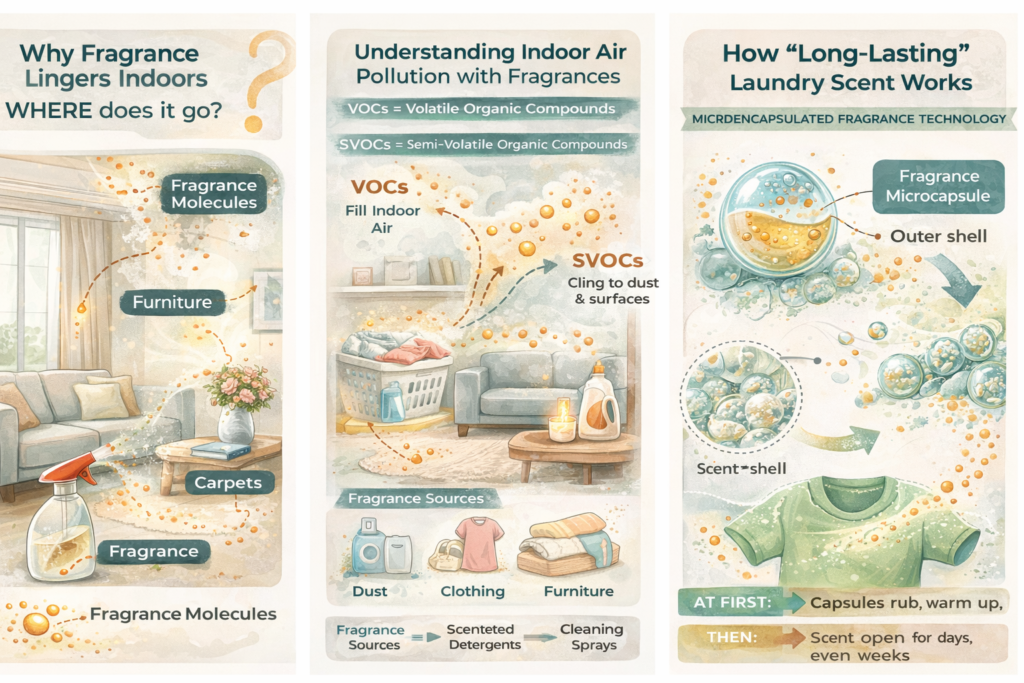
• Fragranced products release volatile organic compounds (VOCs) into indoor air
• These chemicals can cling to fabrics, dust, and surfaces
• Many people report headaches, respiratory irritation, or allergic reactions from fragranced products
• People with MCS often experience more intense reactions
How Many People Are Affected by Fragrance Sensitivity?
Large population studies suggest fragrance sensitivity is far more common than most people realize. In a national survey of over 1,100 adults in the United States, researchers found that:
- 34.7% of Americans report health problems when exposed to fragranced products
- 20.5% experience respiratory problems
- 17.1% report migraines or headaches
- 16.7% say exposure prevents them from accessing public places
These findings suggest that fragrance sensitivity is not rare — it affects tens of millions of people in the United States alone.
Source:
Steinemann, A. (2016). Preventive Medicine Reports.
Another study found that approximately 12.8% of the population reports chemical sensitivity consistent with Multiple Chemical Sensitivity (MCS).
Source:
Steinemann, A. (2018). Journal of Occupational and Environmental Medicine.
These findings suggest fragrance exposure affects tens of millions of people.
Fragrance Chemicals and Hormone Disruption
Some fragrance formulations contain compounds known as phthalates, which are used to help scents last longer. Certain phthalates have been studied for their potential effects on hormones and reproductive health. Because fragrance formulas are often protected as trade secrets, it can be difficult for consumers to know which specific chemicals are present in scented products.
Source: National Institute of Environmental Health Sciences.
What “Fragrance” Actually Means
One major reason fragrance exposure is controversial is that the ingredient “fragrance” is not a single substance. In many countries, companies are allowed to list fragrance as one ingredient on labels even though it may represent a mixture of dozens or even hundreds of chemicals.
These mixtures may include:
- solvents
- stabilizers
- preservatives
- scent compounds
- chemical fixatives
Thousands of fragrance ingredients exist, and many have limited publicly available toxicity data.
Sources:
International Fragrance Association
Environmental Working Group
Fragranced Products Release Air Pollutants
Fragranced consumer products release chemicals into the air known as volatile organic compounds (VOCs). Common products that emit these chemicals include:
- laundry detergent
- fabric softener
- dryer sheets
- air fresheners
- scented cleaners
- candles
- perfumes
- personal care products
Researchers have identified dozens of VOCs emitted from fragranced products, including some classified as hazardous air pollutants.
Source:
Steinemann, A. (2015). Air Quality, Atmosphere & Health.
The U.S. Environmental Protection Agency notes that indoor air pollution levels can sometimes be two to five times higher than outdoor levels.
Source:
U.S. Environmental Protection Agency
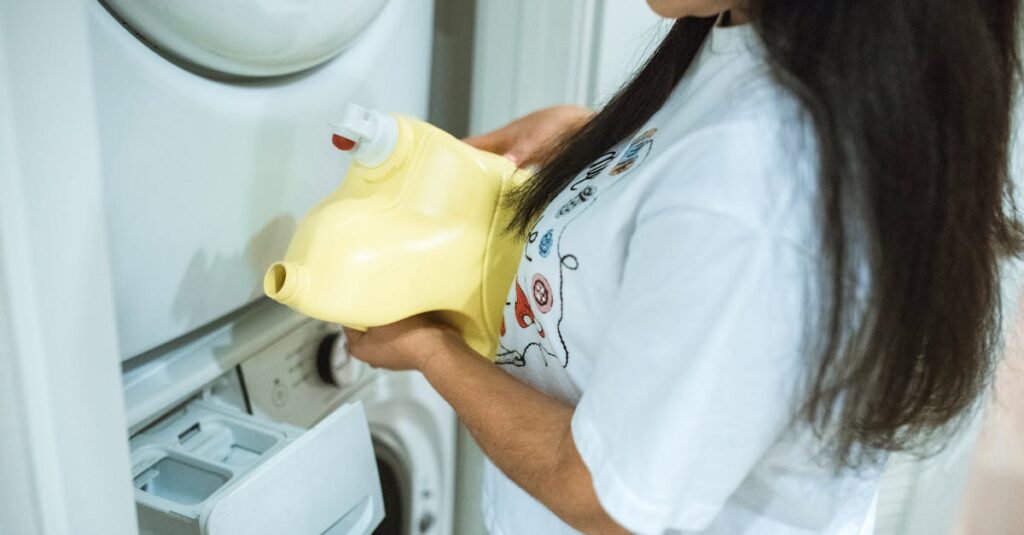
Laundry Fragrance Technology That Makes Scents Last
Modern laundry products often use microencapsulated fragrance technology. Instead of fragrance washing away during laundry cycles, the scent is sealed inside microscopic capsules that attach to fabric fibers. These capsules break open later when clothing is:
- worn
- rubbed
- folded
- warmed by body heat
This allows fragrance to be released repeatedly over time. Some scientists have raised concerns that these capsules may contribute to microplastic pollution in wastewater systems.
Source: Royal Society of Chemistry
Fragrance chemicals often cling to fabric and can linger in clothing long after washing. For people with chemical sensitivities, clothing itself can become a source of exposure. Read more in my article about toxic fabrics and clothing chemicals.
Why Fragrance Lingers in Homes and Buildings
Many fragrance chemicals behave as semi-volatile organic compounds (SVOCs). Instead of disappearing quickly, these chemicals move between air, dust, and surfaces. Researchers describe this process as chemical partitioning, where compounds settle into materials and slowly release back into the air. This means fragrance can:
- cling to furniture
- settle into carpets
- soak into clothing
- accumulate in house dust
- embed in walls and fabrics
Source: National Institutes of Health
Because of this effect, spaces such as hotel rooms, apartments, offices, or vehicles may continue releasing fragrance long after the original product is gone.
Why Fragrance Exposure Is Difficult for People With MCS
People with Multiple Chemical Sensitivity often report symptoms triggered by very small amounts of chemicals. Common symptoms reported include:
- headaches or migraines
- dizziness
- fatigue
- respiratory irritation
- nausea
- cognitive difficulties
Research into MCS is ongoing, and the exact mechanisms are still being studied. However, many clinicians recognize fragrance exposure as a common trigger for people with chemical sensitivities.
Babies and Children May Be More Vulnerable
Children may be more sensitive to environmental chemicals because:
- their bodies are still developing
- they breathe more air relative to body weight
- they spend more time close to floors where chemicals accumulate
Indoor pollutants from fragranced products may contribute to respiratory irritation and may worsen asthma symptoms.
Source:
American Academy of Pediatrics
Pets and Household Animals
Pets may experience higher exposure to household chemicals because they:
- spend more time on floors and carpets (dogs and cats)
- groom their fur and ingest residues (especially cats)
- have smaller bodies relative to exposure (any small pets)
Some fragranced products have been associated with symptoms in animals including:
- respiratory irritation
- vomiting
- lethargy
- neurological symptoms
Source:
ASPCA Animal Poison Control Center
Many common household cleaners contain ingredients that can trigger symptoms in people with MCS and may also be toxic to pets — especially cats. If you share your home with animals, it’s important to understand which cleaning products may be putting them at risk. I explain this in more detail in my article on toxic cleaners that harm pets and people with MCS.
Fragrance Chemicals in the Environment
Fragrance ingredients can enter wastewater systems when products are washed down drains.
Researchers have detected synthetic fragrance compounds in:
- rivers
- lakes
- marine sediments
- fish and aquatic organisms
Source:
Environmental Science & Technology
Some fragrance chemicals can accumulate in organisms over time.
Effects on Bees and Pollinators
Bees rely heavily on scent signals from flowers to locate food. Research has shown that air pollution can degrade floral scent molecules in the air, reducing the distance those scent signals travel. Scientists are continuing to study how synthetic fragrance chemicals may interact with these natural scent systems.
Source:
Science.org
Which Products Release the Most Fragrance Pollution
Some household products release significantly more fragrance chemicals than others. Major sources include:
- laundry detergents
- fabric softeners
- dryer sheets
- scent booster beads
- plug-in air fresheners
- scented candles
- cleaning sprays
- perfumes and colognes
Laundry products can be particularly problematic because fragrance becomes embedded in fabric and continues releasing chemicals throughout the day.
Dryer vents can also release fragrance chemicals into outdoor air.
How to Remove Fragrance From Clothes and Fabrics
Removing fragrance contamination from fabrics can be difficult, but several approaches may help.
Possible strategies include:
- washing multiple times with fragrance-free detergent
- soaking clothing in baking soda solution
- soaking clothing in vinegar solution
- air-drying outdoors
- using activated charcoal or odor absorbers
Some heavily fragranced items may never fully lose the scent.
How to Create a Fragrance-Free Home
People with fragrance sensitivity often try to reduce exposures inside their homes. Helpful steps may include:
- choosing fragrance-free cleaning products
- avoiding scented laundry products
- avoiding air fresheners and scented candles
- increasing ventilation
- using HEPA air filtration
These changes can significantly reduce indoor chemical exposure.
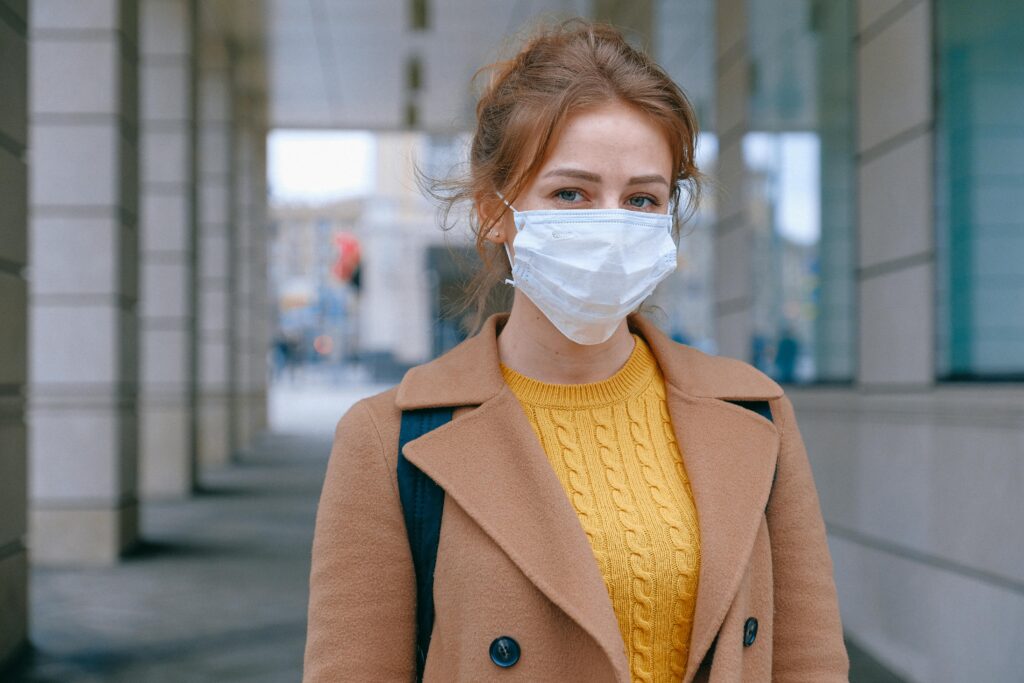
Why “Just Wear a Mask” Is Not a Simple Solution
People with fragrance sensitivity are sometimes told to “just wear a mask.” Unfortunately, masks are not a reliable solution for fragrance exposure.
Most fragrance chemicals exist in the air as vapors rather than particles. Standard masks such as cloth masks, surgical masks, and many N95 respirators are designed primarily to filter particles and may not effectively block chemical vapors.
Masks that can filter chemical vapors typically require activated carbon filters or specialized organic vapor cartridges, which are often bulky and impractical for everyday use.
In addition, some people with chemical sensitivities cannot tolerate wearing masks for long periods because of issues such as:
- skin irritation
- migraines
- breathing discomfort
- nausea
For these reasons, telling someone with fragrance sensitivity to simply wear a mask is often not a realistic solution.
The Bigger Picture
Fragrance exposure is often treated as a matter of personal preference. But once fragrance chemicals enter the air and environment, they become part of the shared spaces we all inhabit. For people with chemical sensitivity, fragrance exposure can make everyday environments difficult to tolerate.
A growing body of scientific research has examined the health effects of fragrance exposure and fragrance chemicals in consumer products, particularly their links to respiratory irritation, allergic reactions, and endocrine disruption.
For researchers and public health experts, fragranced products represent a complex intersection of consumer habits, chemical exposure, and environmental health. As awareness grows, more people are beginning to question how much fragrance exposure is necessary in modern life.
For people with chemical sensitivities, reducing fragranced products can make everyday spaces more accessible and healthier for everyone.
Disclaimer
This article is for informational purposes and reflects findings from environmental health research. Individual reactions to fragranced products vary. Anyone experiencing serious symptoms should consult a qualified healthcare professional.