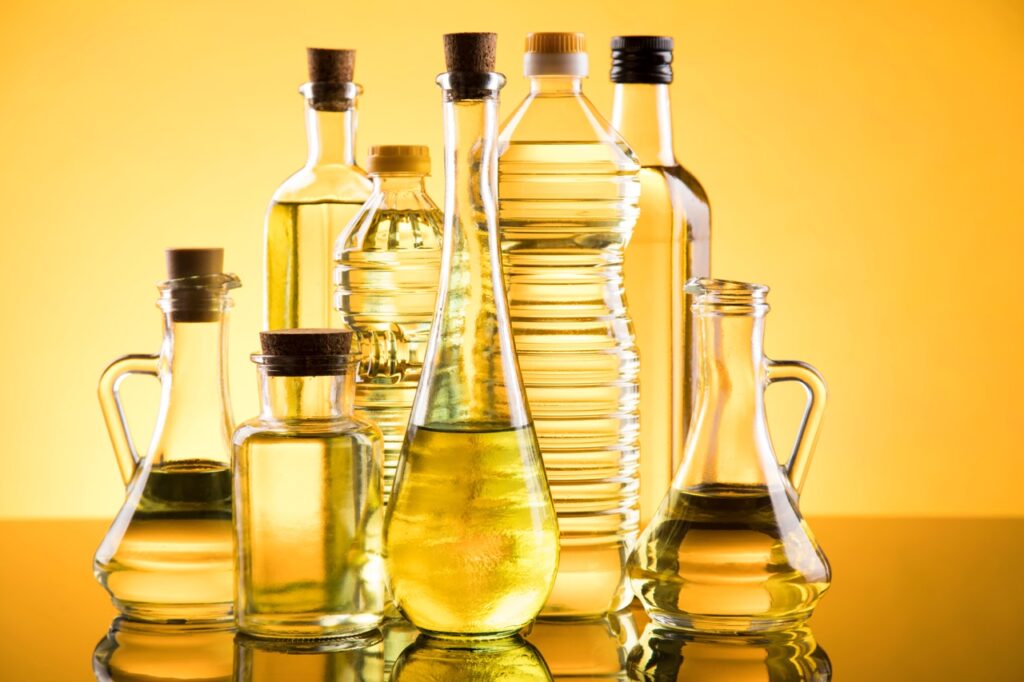
Seed oils are one of the most debated topics in modern nutrition. Some people insist they’re harmless. Others report feeling noticeably better when they reduce them. For people living with Multiple Chemical Sensitivity (MCS), fibromyalgia, autoimmune conditions, asthma, allergies, migraines, or other invisible illnesses, the question isn’t about trends — it’s about how food affects already-sensitive systems.
This article looks at what seed oils are, why some bodies tolerate them poorly, what the science actually shows, and what gentler alternatives exist — without fear-mongering or absolutes.
This article reflects lived experience, environmental health research, and nutrition science. It is not medical advice.
What Are Seed Oils?
Seed oils are fats extracted from seeds, usually through industrial processing. The most common ones in the modern food supply include:
- Soybean oil
- Corn oil
- Canola (rapeseed) oil
- Sunflower oil
- Safflower oil
- Grapeseed oil
These oils are widely used because they are inexpensive, shelf-stable, and neutral in taste — not because they are especially supportive of human health.
The Core Issue Isn’t One Thing — It’s the Combination
Concerns about seed oils generally come down to three overlapping factors:
- Very high omega-6 (linoleic acid) content
- Industrial processing that removes protective compounds
- Susceptibility to oxidation, especially with heat
None of these alone makes an oil “toxic,” but together — and consumed daily, often unknowingly — they may matter more than many guidelines acknowledge.
Omega-6 Fats: Essential, But Often Excessive
Omega-6 fatty acids are essential. The issue is quantity and balance, not existence.
Independent nutrition research consistently shows:
- Omega-6 fats are required for normal physiology
- Modern diets contain far more omega-6 than omega-3, largely due to seed oils
- Excessive omega-6 intake can influence inflammatory signaling pathways
This imbalance is particularly relevant for people with:
- Chronic inflammation
- Autoimmune activity
- Joint pain
- Allergic or asthmatic conditions
- Neurological sensitivity
This does not mean omega-6 fats cause disease — it means chronic excess may add stress to already taxed systems.
Processing Matters More Than Most People Realize
Most commercial seed oils are:
- Solvent-extracted (often using hexane)
- Refined at high temperatures
- Deodorized to remove oxidation odors
This process:
- Removes natural antioxidants
- Increases susceptibility to lipid oxidation
- Produces oils that behave very differently from whole seeds or traditionally pressed fats
This is a chemistry issue, not a political or ideological one.
Heat + Seed Oils = Oxidation Risk
Seed oils are rich in polyunsaturated fats, which are chemically fragile. When exposed to heat, light, or repeated cooking cycles, they can form lipid oxidation products.
Peer-reviewed research links oxidized dietary fats to:
- Increased oxidative stress
- Cellular and mitochondrial strain
- Inflammatory responses in susceptible individuals
For people with MCS or environmental sensitivity, where detoxification and neurological systems may already be overwhelmed, reducing avoidable oxidative exposure can make a noticeable difference.

How Seed Oils Can Affect Different Bodies Over Time
Not everyone reacts to seed oils in the same way. Differences in genetics, detox capacity, immune regulation, and cumulative exposure all matter.
For people with MCS and invisible illnesses
People living with MCS, fibromyalgia, autoimmune conditions, asthma, allergies, migraines, or chronic inflammatory pain often report stronger reactions to biochemical stressors.
In these individuals, high seed-oil intake may contribute to:
- Increased inflammatory signaling affecting joints and muscles
- Heightened neurological sensitivity (brain fog, headaches, sensory overload)
- Worsening asthma or allergy symptoms
- Digestive irritation or food intolerance reactions
- Greater overall reactivity due to oxidative stress
Seed oils do not cause these conditions. However, for sensitive bodies, reducing unnecessary stressors can make symptoms easier to manage.
For people who feel “fine” — for now
Many people without diagnosed illness tolerate seed oils without obvious short-term symptoms. However, research suggests that chronic high omega-6 intake and oxidized fats may quietly increase baseline inflammation over time.
In people without current symptoms, excess seed oil intake may:
- Contribute to low-grade chronic inflammation
- Affect joint comfort and mobility later in life
- Increase oxidative stress long before symptoms appear
- Reduce resilience to future environmental or metabolic stressors
These changes are often subtle and gradual — which is why many people don’t notice them until years later.
What the Research Actually Says (Without Spin)
Large population studies often show improved cardiovascular markers when seed oils replace:
- Trans fats
- Hydrogenated shortenings
This does not mean seed oils are ideal — only that they are less harmful than worse alternatives.
Important limitations of these studies:
- Oxidation byproducts are rarely measured
- High-heat restaurant oil reuse is not accounted for
- Sensitive subgroups (MCS, autoimmune, neurological) are not isolated
- Results reflect population averages, not individual tolerance
This gap between guidelines and lived experience is familiar to people with invisible illness.
Healthier, More Stable Fat Alternatives
Reducing seed oils doesn’t require perfection — just better defaults.
More stable cooking fats
- Avocado oil (higher heat stability)
- Coconut oil (very heat stable saturated fat)
- Ghee or butter (if tolerated)
Low-heat or raw use
- Extra virgin olive oil
- Small amounts of cold-pressed oils used sparingly
Label awareness
When possible, look for foods without:
- Soybean oil
- Corn oil
- Canola oil
- Sunflower or safflower oil
Short ingredient lists and whole-food fat sources are usually better tolerated.
A Reassurance That Matters
Stress activates the same inflammatory pathways as poor diet.
- Occasional exposure is not harmful
- Perfection is not required
- Food should support your life, not control it
Reducing seed oils is best viewed as risk reduction, not restriction.
Final Thoughts
Seed oils are not poison — but they are also not neutral for everyone.
For people with MCS and invisible illness, reducing them can be a gentle way to lower cumulative metabolic and chemical stress. For others, it’s simply one step toward eating fewer ultra-processed foods.
The goal is informed choice — not fear.
Further Reading
Oxidative stress, lipid peroxidation, and heated oils
- Dietary oxidized fats and oxidative stress
https://pubmed.ncbi.nlm.nih.gov/17074952/ - Toxic lipid oxidation products formed during cooking
https://pubmed.ncbi.nlm.nih.gov/28925728/